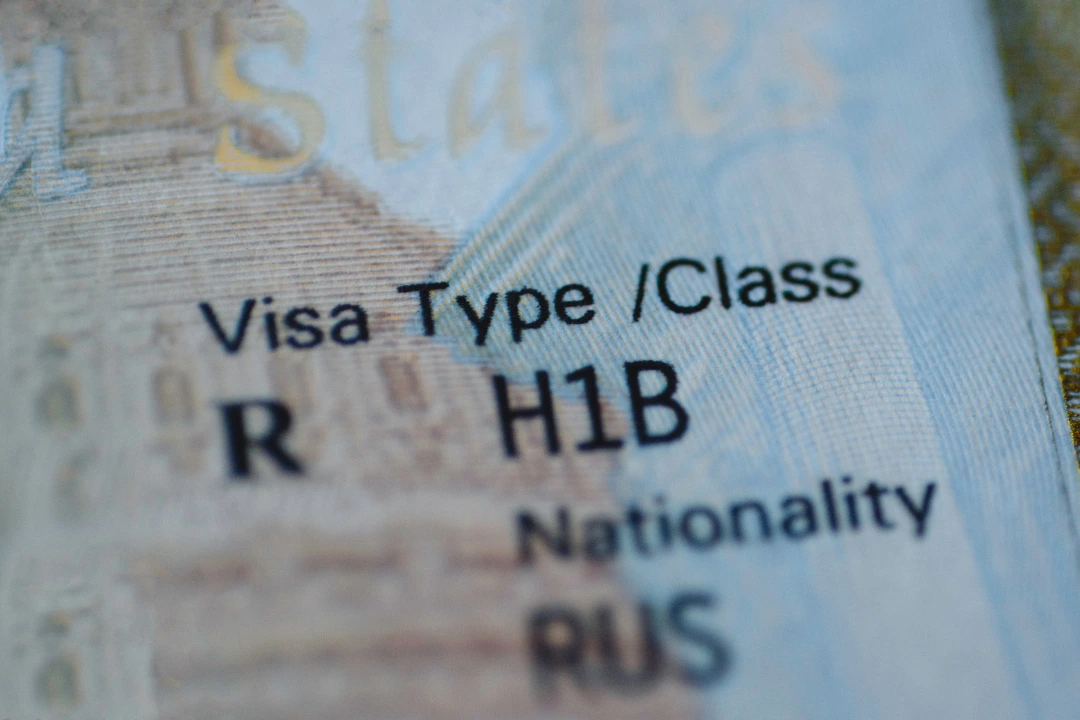
Understanding the New $100K H-1B Visa Fee
The Trump administration’s Proclamation to dramatically raise the cost of securing foreign talent became enforceable at 12:01 a.m. EDT on September 21, 2025. From this point forward, new H-1B petitions—including those entered into the 2026 H-1B lottery cycle—are subject to a $100,000 filing fee.
This unprecedented increase has sent shockwaves through industries that rely heavily on H-1B talent, such as technology, healthcare, finance, and higher education. While the fee does not affect petitions filed before the effective date or current visa holders, the burden on employers going forward is undeniable.
It’s important to note that while the fee has officially taken effect, lawsuits have already been filed challenging its legality and economic impact. Employers should track court rulings and agency guidance closely, as outcomes could shape whether this policy remains in place long term.
Why Employers Are Concerned
Budget Strain and Recruiting Challenges
At $100,000 per petition, many small and midsized businesses will struggle to justify the expense of sponsoring foreign workers. Larger organizations with deep pockets may be able to absorb the cost, but even they will face pressure to reevaluate workforce budgets.
Talent Pipeline Disruption
The H-1B program has long been a pathway to secure highly specialized workers in science, technology, engineering, and mathematics (STEM) and professional fields. This dramatic fee increase could deter employers from sponsoring international talent, leaving critical roles unfilled.
Compliance Complexity
With the fee now tied to new petitions, HR and legal teams must pay careful attention to filing dates, extensions, and changes of status. Misfilings could result in costly errors. Further, with lawsuits challenging the fee, compliance may be a moving target for the foreseeable future.
Strategic Steps for HR and Business Leaders
The new fee highlights the need for proactive planning. Employers should:
- Reevaluate recruitment strategies – Assess how reliant your workforce plans are on H-1B talent and whether alternative pipelines, such as domestic recruitment or training, can help close skills gaps.
- Update workforce budgets – Incorporate the significant cost increase into long-term financial planning and project staffing budgets accordingly.
- Work closely with immigration counsel – Legal teams can help monitor litigation and agency guidance, ensuring filings remain compliant under shifting rules.
- Prepare leadership for trade-offs – Communicate to executives how the fee could affect hiring competitiveness, project timelines, and broader business goals.
What Comes Next for the $100K H-1B Visa Fee?
Though the fee is officially in effect, its future is uncertain. Ongoing lawsuits could delay, block, or reshape enforcement, and further guidance from USCIS is expected. For now, employers should operate under the assumption that all new H-1B petitions filed on or after September 21, 2025, are subject to the $100,000 fee.
At the same time, this shift creates an opportunity for HR leaders to revisit workforce strategies. Developing domestic talent pipelines, embracing remote-first work models, and strengthening compliance frameworks will be key to staying competitive in an environment where international talent is harder and far more expensive to secure.
Need help navigating compliance complexity? Inova Payroll’s HR Assist service provides expert support to help you stay ahead of evolving regulations. With HR Assist, your organization gains access to certified HR professionals who can provide guidance on compliance, workforce planning, and adapting policies to meet shifting regulations. Having this support ensures HR teams can remain agile in the face of changing labor laws.