A Transition Year for Employers
When the No Tax on Tips and Overtime provisions first made headlines earlier this year, they promised meaningful tax breaks for hourly and tipped workers and a new layer of complexity for employers. (If you missed our earlier coverage).
Now, the IRS has given employers a bit of breathing room. In an announcement on November 5, 2025, the agency confirmed that employers will not face penalties for failing to report “qualified tips” or “qualified overtime compensation” for tax year 2025.
This update makes 2025 a transition year and gives payroll and HR teams time to prepare before the new reporting requirements take effect in 2026.
What the IRS Update Means for No Tax on Tips and Overtime Reporting
Under the IRS’s guidance, payroll and HR teams can take a sigh of relief, but not a break.
Here’s what’s changed:
- Penalty relief applies only to 2025. Employers who file accurate and timely W-2s will not be penalized even if they don’t include new “tips and overtime” fields this year.
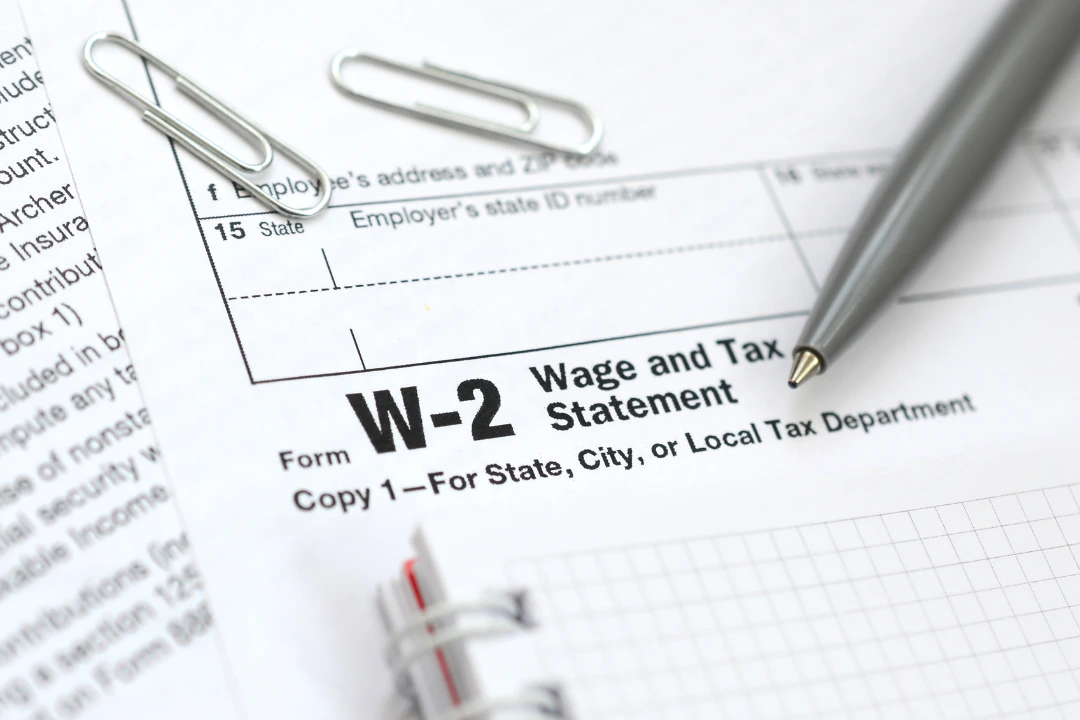
- No new forms for now. The IRS confirmed that the 2025 Form W-2 will remain unchanged. There are currently no dedicated boxes for “qualified tips” or “qualified overtime compensation.”
- Optional employee statements. Employers may include this information in Box 14 (“Other”) on the W-2 or provide a separate electronic or printed statement. Formal reporting boxes are expected to appear in 2026.
- More rules coming. Treasury still needs to clarify which occupations qualify and what counts as a “reasonable method” for estimating eligible overtime compensation.
The relief, formalized in IRS Notice 2025-62, confirms that this temporary flexibility applies only to tax year 2025. Starting with 2026 filings, new reporting requirements are expected to be enforced.
Making the Most of the 2025 Grace Period
Even without penalties this year, employers should treat 2025 as a test run. Use this time to clean up payroll data and strengthen internal processes before compliance becomes mandatory.
Start by reviewing how your systems track tips and overtime pay. Are all tips properly reported? Are mandatory service charges being misclassified? A quick audit now will save frustration later.
Then, focus on three key preparation steps:
- Check your payroll technology. Can your system track and categorize tip income separately from overtime earnings? Will it allow you to generate employee-level summaries once reporting begins?
- Document your calculation methods. Once the IRS defines “reasonable methods” for determining qualified overtime, you’ll want documentation ready to support compliance.
- Educate employees early. Workers should understand that these rules provide a deduction, not an exemption. Clear communication now helps prevent confusion at tax time.
Think of 2025 as a dress rehearsal for 2026, when these reporting requirements will fully apply.
How Payroll Technology Can Simplify No Tax on Tips and Overtime Compliance
The new No Tax on Tips and Overtime reporting requirements underscore the need for payroll systems that can adapt quickly as regulations evolve. Employers will need accurate, real-time data that flows smoothly between payroll, HR, benefits, and reporting — without manual imports or disconnected tools.
Inova HCM brings all of that information together in a single, unified platform. With one employee record powering every part of the system, payroll updates automatically reflect across HR and benefits, helping employers stay current and compliant as new rules take effect.
Within that single database, Inova HCM makes it easy to:
- Create and manage custom pay codes to track qualified tips and overtime separately.
- Maintain accurate, connected records for employees across pay, HR, and benefits data.
- Generate real-time reports to prepare for new W-2 fields and other reporting updates expected in 2026.
- Respond quickly to IRS or regulatory changes using flexible configuration tools — no external integrations required.
For employers looking for an added layer of support, Inova HR Assist pairs that technology with dedicated HR and payroll experts who can help monitor compliance updates, guide communication, and ensure readiness for new reporting rules. Together, these solutions give HR teams the confidence and control they need to navigate 2025 and beyond.
Preparing for What’s Ahead
The IRS’s decision gives employers an important chance to prepare before the No Tax on Tips and Overtime reporting requirements take full effect. Treat 2025 as a transition year to review your pay practices, confirm your data accuracy, and evaluate how well your payroll systems can adapt once new reporting fields are introduced.
By pairing the right tools with proactive planning, HR and payroll teams can make this change manageable and ensure employees benefit from the new tax provisions without disrupting operations. Inova will continue tracking IRS guidance as it’s released and sharing updates to help employers stay informed through every stage of implementation.